If you want guided setup and polished built-in features, XSplit fits better. If you want free, open-source flexibility with a large plugin ecosystem, OBS Studio wins. Cost, control, and platform reach separate them: XSplit charges for its convenience, OBS asks for your time instead. Both can carry a serious stream; the right pick depends on your workflow and how much setup you’re willing to tolerate.
TL;DR:
- OBS Studio is free and supports Windows, macOS, and Linux, making it more flexible for cross-platform creators without additional costs.
- XSplit offers a guided setup and built-in production tools, but requires paid subscriptions for high-quality output and multi-streaming features.
- Initial setup for OBS takes about 30 to 60 minutes of tweaking, while XSplit’s wizard can get you live in just a few minutes.
- Performance testing shows OBS uses fewer system resources and delivers 1080p at 60fps on its free tier, which many budget-conscious streamers rely on.
- Moving from XSplit to OBS is common as creators’ needs grow, but it involves switching plugins and workflows, which may not be worth it for simple setups.
Table of Contents
- Quick shortlist: match your needs to a pick
- Feature-by-feature comparison: pricing, OS, customization, performance
- Getting started: quick, comparable setup workflows
- Decision checklist: 6 questions to answer before you pick
- TechVideoBlog testing notes: methodology and key findings
- Creator perspective: when to switch and what it costs you
- How TechVideoBlog helps you test before you commit
- Sources
- FAQ
Quick shortlist: match your needs to a pick
Before digging into specs, match yourself to a profile. Most creators fall into one of two camps, and a handful benefit from testing both before committing.
- Beginners and business streamers: XSplit’s guided wizards, encoder presets, and paid multi-streaming get you live fast without touching a settings menu you don’t understand.
- Power users and cross-platform creators: OBS Studio is free, open-source, and runs on Windows, macOS, and Linux, with a plugin ecosystem that grows with your needs, according to Polygon’s comparison.
- Undecided streamers: run both for a week. Stream the same scene setup on each, note setup friction and dropped frames, then keep whichever cost you less time or money for the same result.
The A/B approach matters more than any spec sheet. Your CPU, your capture card, and your scene complexity all change which app performs better on your specific rig, so a friend’s verdict does not automatically transfer to yours.
Feature-by-feature comparison: pricing, OS, customization, performance
The two apps solve the same problem from opposite directions: XSplit sells convenience, OBS gives away control. That shows up in every category that matters to a working streamer.
Pricing and license model. OBS Studio is completely free with no tiered restrictions. XSplit offers a free tier, but it typically restricts output quality and multi-streaming capabilities unless you subscribe to a paid plan, per Polygon. If you plan to stream at 1080p and 60fps without paying, OBS gets you there on its free tier already.
Operating system support. OBS runs natively on Windows, macOS, and Linux. XSplit is built primarily around Windows, so Mac or Linux streamers have fewer options there than OBS users do.
- OBS: Windows, macOS, Linux, all on the free build.
- XSplit: Windows-first, with a narrower cross-platform footprint.
Customization and plugin ecosystem. OBS leans on a large community of plugins and third-party overlays that extend nearly every part of the app, from scene transitions to advanced audio routing, but each one has to be found, installed, and kept updated yourself, according to Polygon. XSplit bundles more of its production tools directly into the app, trading some flexibility for less maintenance.
Performance. Comparative testing commonly finds that OBS uses fewer system resources than commercial alternatives under similar scene loads, which leaves more CPU headroom for the game or encoder itself, per Polygon.

Statistic to watch: OBS supports 1080p streaming at 60fps on its free tier, a quality ceiling that some competing free tiers restrict behind a paywall. That single detail decides the choice for a lot of budget-conscious streamers before anything else gets compared.
Built-in production features. This is where XSplit’s paid tiers pull ahead on convenience: integrated overlays, scene templates, and easier access to features like background removal often come bundled rather than requiring a separate plugin hunt. OBS can match most of that functionality, but you’re assembling it from community tools instead of a settings panel.
Getting started: quick, comparable setup workflows
Setup time is the fastest way to feel the difference between these two apps. Expect OBS to take 30 to 60 minutes of initial tweaking for a clean result, while XSplit’s wizards can get you live in a few minutes, according to Gizmodo’s overview of XSplit Broadcaster.
OBS checklist:
- Download OBS Studio and pick an encoder: x264 for CPU encoding or a hardware encoder like NVENC if your GPU supports it.
- Set your bitrate to match your target resolution and platform recommendation.
- Build your scenes, add sources, and install any plugins or overlays you need for transitions or alerts.
XSplit checklist:
- Sign in and run the setup wizard, which selects an encoder preset automatically.
- Toggle multi-stream if you’re on a paid plan and want to hit multiple platforms at once.
- Test your output with a short local stream before going live.
Run the same validation test on both: record a 2-minute local file at your target resolution, watch CPU and GPU usage in Task Manager or Activity Monitor, then stream to a private or secondary destination and check for dropped frames, a method Gizmodo points to as a fast way to expose real differences before committing.
Pro Tip: Keep your first test scene identical between apps: same sources, same overlay, same audio input. Any performance gap you see is the software, not your setup.
Decision checklist: 6 questions to answer before you pick
Answer these honestly and the choice usually makes itself.
- Which platforms do you stream to, and does built-in multi-streaming matter enough to pay for it?
- What’s your hardware ceiling, and will you be running heavy overlays or plugins on top of the game itself?
- Do you want production features built in, or are you fine maintaining plugins yourself for more control?
- What’s your budget for a subscription now, and how much will your production complexity grow over the next year?
- How much does macOS or Linux support matter to you?
- Do you want a managed product with customer support, or an open-source tool backed by a community?
None of these questions has a universally right answer. A business streamer running sponsored segments daily has different priorities than a hobbyist streaming twice a month, and the checklist is meant to surface that difference before you sink hours into either app.
TechVideoBlog testing notes: methodology and key findings
Our testing approach mirrors what any streamer can run at home: identical scenes across both apps, a local recording pass, then a private stream, with CPU and GPU usage logged throughout.
Set the same two video sources, one browser overlay, and one audio input in both apps. Record a 2-minute local file, log average CPU usage, then run a short private stream and compare dropped frames.
This reproducible test, described by Gizmodo, exposes real performance differences faster than reading spec sheets.
What to look for: setup time in the 30 to 60 minute range for OBS versus a near-instant wizard for XSplit, and a measurable CPU delta between the two under identical scene loads, both figures backed by Gizmodo’s practitioner guidance. Run the same test on your own rig before trusting any published number, since capture cards, GPUs, and background apps all shift the result.
Creator perspective: when to switch and what it costs you
Community commentary and product pages describe a common pattern: creators start with XSplit for its guided simplicity, then migrate to OBS once their production needs outgrow the paid presets, according to OBS Studio’s Steam listing. That move trades a subscription fee for plugin maintenance, which only pays off once your setup is complex enough to need constant tweaking. If you’re happy streaming the same three scenes every week, switching for its own sake wastes more time than it saves.
— H
How TechVideoBlog helps you test before you commit
Picking between OBS and XSplit is really a question of which tools you’ll build around your streaming setup next, and that’s where our directory earns its keep. Hands-on tests on plugins, overlays, and companion apps creators pair with their streaming software help you avoid relying on marketing copy when adding tools like caption and screen recording software.
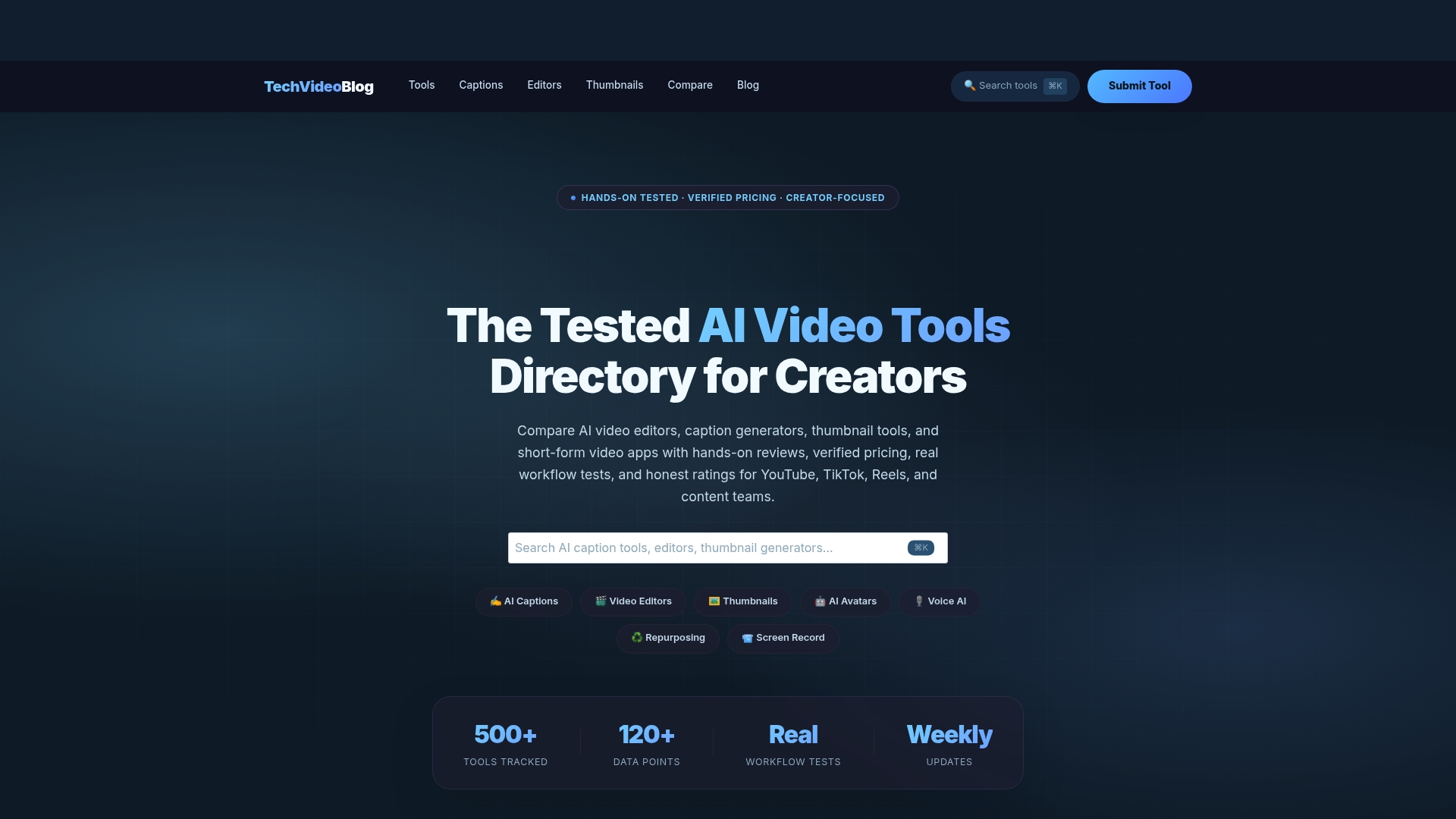
Start with our tools directory to find tested plugins and recording software, check our best AI video tools category page for editing companions, and read how we test AI tools to see the exact workflow behind every recommendation. Sponsored listings and hands-on tests follow a transparent process distinguishing tested content from paid placements.
Sources
- XSplit, OBS, or Streamlabs: What’s the best free streaming software
- XSplit Broadcaster download and overview (Gizmodo)
- OBS Studio on Steam (community commentary)
FAQ
Is there anything better than OBS?
“Better” depends on what you value: XSplit offers a more guided setup and bundled production features for a subscription fee, while OBS stays free and open-source with a larger plugin ecosystem. Neither is strictly superior; each fits a different tolerance for setup time versus cost.
Does Kai Cenat use Streamlabs or OBS?
That detail isn’t publicly documented in the sources reviewed for this comparison. Streamlabs itself is built on OBS’s open-source engine, so many streamers who mention Streamlabs are effectively running an OBS-based tool with a different interface layered on top.
How much does XSplit cost?
XSplit offers a free tier with capped resolution and frame rate, commonly 720p and 30fps, with paid subscriptions required to unlock higher-quality streaming and multi-streaming, according to Polygon. Exact current pricing tiers are best confirmed on XSplit’s own site before you commit.
Do streamers prefer OBS or Streamlabs?
Preference splits by workflow: OBS attracts streamers who want full control and a plugin-driven setup, while Streamlabs (built on OBS’s core) appeals to creators who want more built-in alerts and widgets without assembling them manually. Community commentary suggests many creators start with the more guided option and move toward OBS’s raw flexibility as their setup grows more complex, per OBS Studio’s Steam listing.